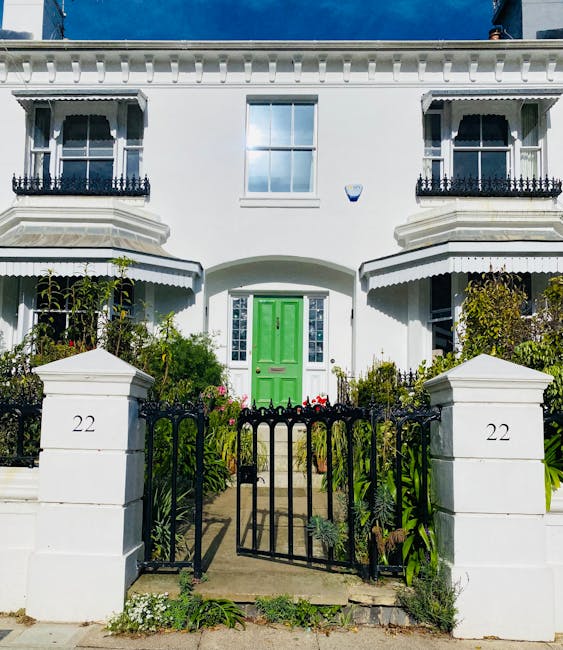
Plashet Park front garden makeover by local gardeners
If your front garden is looking tired, overgrown, or just a bit forgotten, you are not alone. A Plashet Park front garden makeover by local gardeners can turn a worn entrance into something tidy, welcoming, and genuinely useful without making it feel overdone. Done well, it improves the look of the whole property, makes day-to-day upkeep easier, and gives you a front space that actually works for how you live. Sounds simple enough, but the details matter. Soil, layout, drainage, privacy, access, and low-maintenance planting all play a part.
In this guide, we will look at what a front garden makeover really involves, how local gardeners approach the work, what tends to go wrong, and how to plan a result that feels right for a Plashet Park home. You will also find practical checklists, a comparison table, and a realistic example of how a small front space can be transformed without unnecessary fuss.
Why Plashet Park front garden makeover by local gardeners Matters
A front garden is doing more than sitting there looking pretty. It is the first thing you see when you come home, the first thing neighbours notice, and often the first clue about whether a property is cared for. Around Plashet Park, front gardens can be small, shaded, paved, narrow, or awkwardly shaped, so a smart makeover is less about grand gestures and more about making every square metre earn its keep.
Local gardeners tend to understand these spaces in a very practical way. They know where access is tight, how London weather can turn a neat border into a soggy patch of trouble, and which materials age gracefully rather than becoming a maintenance headache. To be fair, that local knowledge can save a lot of guesswork. A garden that looks good in a showroom photo may not suit a real front plot with bins, bikes, and people walking through it every day.
There is also the simple matter of functionality. A front garden should help, not hinder. It may need better paths, safer surfaces, clearer edges, screening from the street, or planting that can handle shade and pollution. If you want the space to feel calmer and more polished, a Plashet Park front garden makeover by local gardeners is often the most direct route.
Expert summary: the best front garden makeovers are usually not the flashiest ones. They are the ones that match the house, suit the street, and stay manageable after the newness wears off.
That last part matters more than people expect. A design that takes forever to maintain becomes a burden. A design that fits the household, on the other hand, becomes part of daily life in the best way.
How Plashet Park front garden makeover by local gardeners Works
The process usually starts with a look at what is already there. Is the garden mainly soil, lawn, paving, gravel, shrubs, or a bit of everything? Are there drainage issues? Do plants block light or the path? Is the space being used at all, or is it simply surviving from one season to the next? These early observations shape the whole plan.
From there, local gardeners normally break the work into a few clear stages. First comes clearance or reduction of what no longer helps. Then the layout is refined. Sometimes that means new edging, a better path, a fresh lawn edge, fencing for privacy, or a more coherent planting scheme. If hard landscaping is needed, it may be coordinated with broader landscaping or specific features such as patio cleaning where existing paving needs a lift rather than a replacement.
Planting choices follow the structure. In a front garden, gardeners often lean towards compact shrubs, evergreen structure, seasonal colour, and plants that do not sprawl across the pavement. The goal is usually a neat, balanced look that still has life in it. A bed of random plants can feel messy very quickly, especially in a space that people see every day. And let's face it, front gardens do not get many second chances.
In some cases, the makeover also involves the boundary. A tidy fence or hedge can sharpen the whole composition. Services like fencing and hedge trimming are often part of that broader picture. If the garden has become cluttered over time, a well-planned garden clearance can create a clean slate before the transformation begins.
Key Benefits and Practical Advantages
The obvious benefit is visual improvement. A front garden makeover can make a house feel more cared for, more balanced, and more inviting. But the less obvious advantages are often the ones people appreciate long after the work is done.
- Better curb appeal: a neat entrance changes the whole feel of the property.
- Lower maintenance: sensible planting and simple structures reduce weekly effort.
- Improved access: clearer paths and better layout make coming and going easier.
- More privacy: smart screening helps without making the front of the house feel closed off.
- Greater usability: the garden becomes a space, not just a strip of land.
- Seasonal interest: with the right planting, there is something to look at through the year.
Another real benefit is confidence. When the front of the house feels in order, people often notice the rest of the home differently. It sounds small, but it changes how you feel pulling up at the end of the day. You do not get that little win from every outdoor project.
Local gardeners also tend to make practical decisions with maintenance in mind. For instance, a front lawn can be kept simple with regular lawn care or trimmed neatly through lawn mowing. A garden that gets the basics right is usually more satisfying than one packed with features that no one has time to look after.
Who This Is For and When It Makes Sense
This kind of project is a good fit if your front garden feels a bit out of step with the house. Maybe the property has been refurbished but the front still looks dated. Maybe the planting has become too big, the edging has collapsed, or the layout makes the entrance awkward. Perhaps you simply want a calmer, cleaner look without turning the space into a full redesign.
It also makes sense if you are preparing to sell or rent a property. A front garden is one of the first things a viewer notices, and while it will not fix a poor interior, it can quietly raise the overall impression. Small details matter. Clean lines, healthy planting, and a sensible path can make a property feel looked after. Nothing dramatic. Just solid, reassuring order.
You might also need this if access is poor. Some front gardens are harder to navigate than they need to be, especially for prams, shopping, wheelchairs, or even just carrying bags in the rain. In those cases, design has to serve movement first and style second, although the two should still work together. Truth be told, that is where good gardeners really earn their keep.
If mature trees are involved, the work may need extra care. That could include tree surgery or, where necessary, tree lopping and removal. Not every front garden needs that level of intervention, of course, but it is better to assess tree problems early rather than let roots, shade, or overgrowth dictate the whole design.
Step-by-Step Guidance
If you are planning a makeover, a clear sequence helps. Rushing straight to planting is one of the easiest ways to waste effort. Here is a sensible working order.
- Assess the space properly. Look at light, soil, drainage, access, and what is already failing. Walk the space at different times of day if you can.
- Decide what to keep. A mature shrub, a healthy hedge, or an intact path can be worth preserving. Not everything old needs removing.
- Clear the problem areas. Remove dead growth, self-seeded clutter, broken edging, and anything that no longer fits the layout.
- Sort the hard structure first. Paths, edges, fencing, steps, and any surface cleaning should come before planting.
- Choose a simple planting structure. Use a mix of evergreen backbone, seasonal interest, and low-fuss fillers.
- Refine the finishing details. Mulch, edging, tidy borders, and clean lines do a lot of work here.
- Plan maintenance from day one. The best-looking front garden is one you can keep looking decent in real life, not just on the day it is finished.
A practical example: if the front of your house has a cracked path, a tired hedge, and a patchy lawn, a gardener might start with clearance, then shape the hedge, repair the entrance sequence, and only then decide whether the lawn should stay or be replaced with a lower-maintenance surface. That order matters. It saves backtracking later.
A simple planning question
What do you want the space to do every day? If you can answer that honestly, the rest gets easier. A garden designed for quiet display should look different from one designed for bikes, bins, and frequent foot traffic. Not better or worse. Just different.
Expert Tips for Better Results
One of the biggest mistakes people make is trying to fit too many ideas into a small front garden. A narrow space usually looks better with restraint. A strong structure, two or three planting themes, and one clear route in and out is often enough. Too many pots, colours, and materials can make the front feel crowded. And yes, that includes the garden gnome that someone insists is "quirky".
Here are a few practical tips that tend to pay off:
- Use repetition. Repeating a few plants or materials creates calm and cohesion.
- Prioritise year-round shape. Evergreen structure matters more in a front garden than in many back gardens.
- Choose neat edges. Crisp borders make even modest planting look intentional.
- Think about sightlines. Do not block windows or obscure the front door.
- Keep maintenance realistic. If you do not enjoy gardening every weekend, design for less upkeep from the start.
Local gardeners also know when a quick fix is not enough. If paving is slippery, for example, cleaning may help, but if the surface is badly worn then a broader surface plan is wiser. That is where services like patio cleaning can be part of the improvement, but not the whole answer.
Another useful tip is to think seasonally. A front garden should still look decent in February, not only in June. In practical terms, that usually means evergreen structure, durable materials, and a few plants that hold form when the flowers are long gone. Small thing, big difference.
Common Mistakes to Avoid
Most disappointing makeovers fail for ordinary reasons, not dramatic ones. The design looked nice on paper, but it was too complicated to maintain. Or the space was cleared too aggressively and lost its character. Or the new planting looked good in spring and then became a tangled nuisance by autumn. Happens all the time.
- Overplanting: too much variety makes small spaces feel busy and harder to manage.
- Ignoring drainage: waterlogged soil can undo even a good design.
- Choosing high-maintenance plants: if upkeep is limited, do not create extra work for yourself.
- Forgetting access: a pretty front garden that blocks bins, prams, or the front door is not practical.
- Skipping the boundaries: poor fencing or an untidy hedge can weaken the entire look.
- Starting with plants before structure: borders cannot compensate for a broken path or a messy layout.
There is also the temptation to copy what works in someone else's road. Fair enough, inspiration helps. But a garden that suits one property can look odd on another. Light, frontage width, house style, and pavement relationship all change the outcome. Better to borrow the principle, not the exact formula.
Tools, Resources and Recommendations
If you are planning or managing a front garden makeover, the right tools and support matter. For homeowners, that usually means a mix of observation, maintenance, and realistic decision-making. For gardeners, it means the right kit for clearing, shaping, cutting, and finishing without damaging the existing space.
Useful practical resources and service areas often include:
- Regular maintenance support: once the makeover is complete, ongoing care keeps the space from sliding back.
- Clearance and reset work: helpful when a front garden has become cluttered or neglected.
- Light structure work: such as edging, fencing, or surface improvements.
- Plant health and cutting expertise: especially where hedges or trees need controlled trimming.
For recurring care, garden maintenance is often the difference between a one-off nice result and a front garden that still looks sharp months later. If you want the area kept in good nick, not just restored once, that is the kind of service to think about.
It can also help to ask a few plain-English questions before work starts: How much of the existing layout can stay? What will need regular attention? Which parts can be simplified? Those questions save time and, frankly, a fair bit of regret later.
Law, Compliance, Standards, or Best Practice
For a front garden makeover, the main compliance issues are usually practical rather than dramatic. If the work affects boundaries, access, waste removal, trees, or safety, it should be handled with care and in line with normal UK best practice. That means checking what belongs to the property, avoiding damage to neighbouring land, and making sure any heavy work is carried out safely.
Tree work is the area where extra caution is most sensible. In some cases, pruning or removal may have to be considered carefully because of size, condition, proximity to structures, or the broader effect on the garden. That is why experienced gardeners and tree specialists take a cautious approach rather than guessing. If a tree looks unstable, diseased, or simply too large for the space, professional judgement matters.
Health and safety also matters on site. A tidy garden project still involves tools, lifting, waste handling, and sometimes awkward access. A reputable team should work with sensible precautions and clear communication. You can review the company's health and safety policy and insurance and safety information if you want reassurance before work begins.
For wider peace of mind, it is also normal to understand pricing, payment, and expectations up front. That sort of clarity is not glamorous, but it avoids silly misunderstandings. The same goes for terms and conditions and recycling practices. A good project should look good and run properly.
Options, Methods, or Comparison Table
Not every front garden makeover needs the same level of intervention. Some spaces need a full redesign; others just need control, clarity, and a handful of upgrades. Here is a straightforward comparison to help you think it through.
| Approach | Best for | What it usually includes | Typical trade-off |
|---|---|---|---|
| Light refresh | Gardens that are basically sound but untidy | Pruning, edging, weeding, clearing, tidying, minor planting | Lower cost and quicker, but limited transformation |
| Practical makeover | Front gardens that need clearer structure | Clearance, layout tweaks, fencing, planting redesign, path attention | More planning needed, but usually the best balance |
| Full redesign | Spaces with poor layout, heavy overgrowth, or tired hardscape | Major landscaping, new boundaries, resurfacing, new planting scheme | More time, more coordination, and a bigger budget |
For many Plashet Park homes, the middle option is often the sweet spot. It makes the biggest visible difference without turning the project into a long and expensive rebuild. That said, if the layout is fundamentally awkward, a fuller redesign may actually be the smarter route. Doing less is not always the economical choice.
Case Study or Real-World Example
Here is a realistic example based on the kind of work local gardeners often handle.
A compact front garden had become a mix of patchy grass, crowded shrubs, and a path that felt narrower every year because plants kept creeping into it. The owners wanted it to look cleaner and more welcoming, but they did not want a "show garden" look. They also needed the space to stay manageable, because no one fancied spending every Saturday morning wrestling it back into shape.
The makeover began with careful clearance and pruning. The overgrown shrubs were reduced, the edges were defined, and the path was cleaned so the entrance looked brighter. One section of lawn was kept, but the rest was replanned as low-maintenance planting with evergreen structure and seasonal colour. A tidy boundary line helped frame the front of the house, and the final result felt calmer straight away. Not flashy. Just right.
What changed most was the feel of the property. The front door became more visible, the garden looked deliberate rather than neglected, and the owners had a space they could maintain without dread. That last bit is the quiet success story. A front garden should not feel like a second job.
Practical Checklist
Use this checklist before you start a front garden project. It helps keep the job grounded in reality.
- Do you know what problem the makeover is solving?
- Have you checked light, shade, and drainage conditions?
- Have you decided what existing plants, paths, or features are worth keeping?
- Is the layout easy to use for daily access?
- Will the finished design still look good in winter?
- Have you chosen plants that suit the level of maintenance you can realistically give?
- Are boundary treatments, fencing, or hedge work part of the plan?
- Have you considered whether any tree work is needed?
- Is there a clear plan for waste removal and recycling?
- Do you know what ongoing maintenance will be needed after the makeover?
If you can tick most of these off, you are already ahead of the curve. A thoughtful plan saves time, money, and a fair amount of frustration.
Conclusion
A Plashet Park front garden makeover by local gardeners is less about a dramatic transformation and more about making a small but important space work beautifully in everyday life. When the layout is sensible, the planting is restrained, and the boundaries are tidy, the whole property feels more settled. Better still, it stays manageable.
Whether you need a simple refresh, a practical redesign, or help clearing years of build-up, the smartest approach is to start with function and finish with detail. That way, the result looks good now and still makes sense six months from now. Which, honestly, is the real test.
Get a free quote today and see how much you can save.
If you are weighing up the next step, it can help to explore the team's approach, read more about who they are and how they work, and review the available pricing and quotes information before deciding what suits your garden best.
Sometimes the smallest changes outside make the biggest difference when you walk through the door.
Frequently Asked Questions
What is included in a front garden makeover?
It can include clearance, pruning, edging, planting, fence or hedge improvements, path cleaning, lawn work, and layout changes. The exact mix depends on the condition of the space and what you want it to do.
How long does a front garden makeover usually take?
That depends on the size of the garden and how much work is needed. A light refresh may take a short visit, while a fuller redesign can take several stages. It is best to treat the first assessment as a planning step rather than guessing.
Do I need a full redesign, or just a tidy-up?
If the structure of the garden is fine, a tidy-up may be enough. If the layout is awkward, the planting is overcrowded, or access is poor, a fuller redesign is usually worth considering. The honest answer comes from looking at the space properly.
Can local gardeners help with low-maintenance ideas?
Yes, and that is often one of the biggest advantages. Local gardeners can recommend planting, materials, and boundaries that reduce upkeep while still looking smart. That matters a lot in a front garden you see every day.
Will a front garden makeover improve curb appeal?
Usually, yes. A tidy, balanced front garden creates a much better first impression. It can make the whole property feel more cared for, even before anyone steps inside.
What if my front garden is very small?
Small gardens often benefit most from a makeover because every detail is visible. Clear edges, a simple planting palette, and a neat path can make a compact space feel twice as intentional. Less clutter, more calm.
Can fencing or hedging be part of the design?
Absolutely. Boundary treatments can provide privacy, define the space, and improve the overall look. Services like fencing and hedge trimming often work well as part of a front garden project.
What should I do before work starts?
Walk the space, decide what you want to keep, and think about the daily use of the garden. If you can, note any problems with drainage, access, or overgrowth. A good briefing saves a lot of back-and-forth later.
How much maintenance will the new garden need?
That depends on the design. A simple planting plan with good structure will need less work than a highly decorative layout. Be honest about how much time you want to spend on it, because that decision shapes the whole project.
Is tree work sometimes necessary in front garden makeovers?
Yes, especially if trees are blocking light, dominating the space, or creating safety concerns. In those cases, tree surgery or careful removal may be needed. It is one of those areas where experienced judgement really matters.
How do I make sure the makeover suits the house?
Match the materials, planting style, and overall form to the property rather than forcing a trend into the space. A front garden should feel like it belongs there. If it looks settled and natural, you have probably got it right.
What is the best next step if I am not ready for a full project?
Start with a basic assessment and a clear list of priorities. You may find that a modest refresh gives you most of the value without the scale of a full redesign. Sometimes the sensible choice is the best one, simple as that.